




Introduction
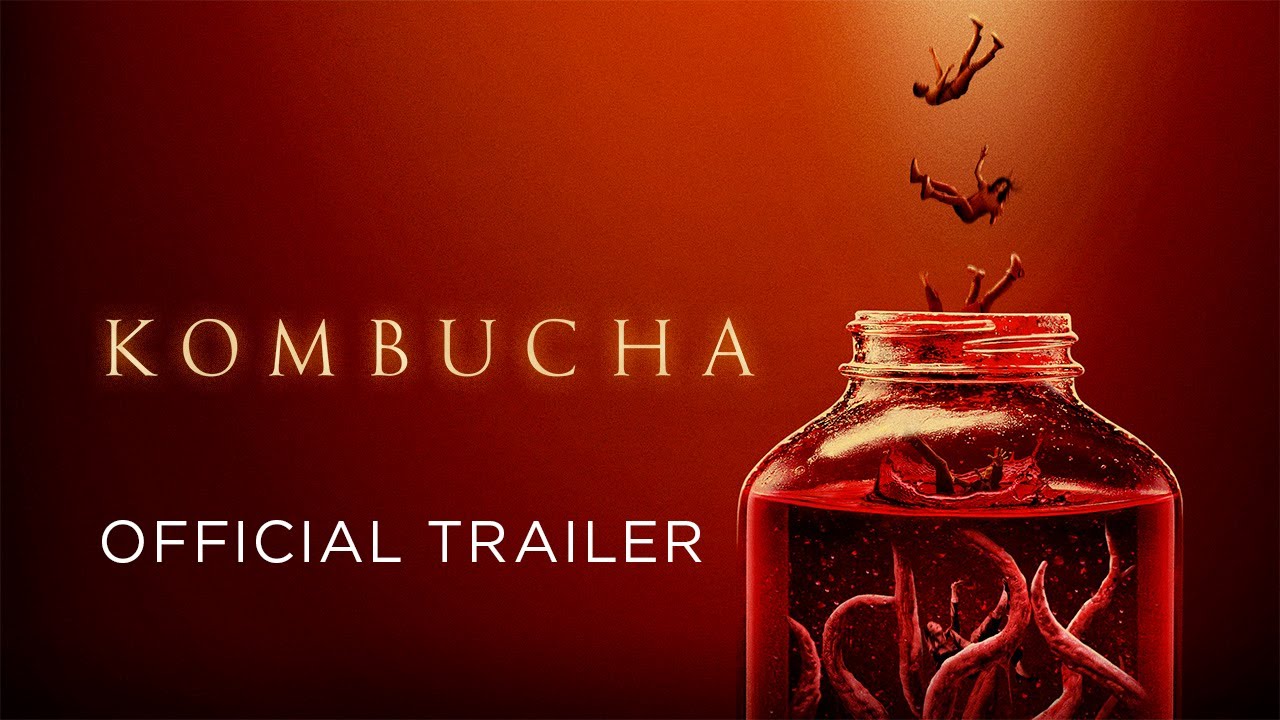
The latest entry into the horror genre, Kombucha (2025), offers a chilling exploration of corporate dystopia, where an innocuous beverage turns into a terrifying agent of control. With a plot centered around a seemingly innocent drink that transforms employees into mindless drones, this film delivers more than just scares—it’s a commentary on exploitation, obsession, and the perils of corporate culture.

The Story
At its core, Kombucha is a tale of workplace horror. Set in a nondescript office environment, the film follows a group of employees who discover a new kombucha drink being marketed as a health elixir. Initially promising to enhance focus and productivity, it soon becomes clear that the drink has more sinister effects. What starts as a way to boost morale quickly spirals into a horrifying nightmare, as the employees’ behavior becomes increasingly erratic. The line between productivity and madness blurs as the kombucha takes hold, turning them into mindless, obsessive workers.

The Performance
The cast of Kombucha delivers solid performances, but the film’s standout is undoubtedly the portrayal of the main antagonist—an unseen but ever-present corporate force. The tension builds slowly but surely, and each actor brings their character’s descent into madness to life in a way that is both believable and unsettling. There is a noticeable sense of unease that permeates the performances, which only serves to enhance the sense of dread that builds throughout the film.

Visuals and Atmosphere
Visually, Kombucha excels in creating an atmosphere of growing claustrophobia. The sterile, lifeless office environment is the perfect backdrop for the film’s themes of control and conformity. The filmmakers use light and shadow effectively, creating a sense of isolation and paranoia. As the horror escalates, the visual cues become more surreal, reflecting the characters’ mental unraveling. The film’s design choices—from the sterile office spaces to the increasingly unsettling color palette—serve to amplify the psychological horror at the heart of the story.
The Themes
What makes Kombucha more than just a traditional horror movie is its exploration of corporate culture and the lengths people will go to in order to meet expectations. The mind-altering kombucha becomes a metaphor for the dangers of overwork, consumerism, and unchecked ambition. In a world where personal health and well-being are often sacrificed for the sake of productivity, the film offers a chilling reminder of the consequences of such a mindset.
Metaphor for Corporate Culture
- The kombucha represents the promise of success, wellness, and efficiency, which ultimately leads to burnout and madness.
- The film critiques the idea that pushing employees to their limits is a legitimate path to success.
- The characters’ descent into obsession mirrors the pressures many individuals face in real-world work environments.
Conclusion
In the end, Kombucha is a film that leaves a lasting impact. It’s more than just a horror movie—it’s a dark reflection of the world we live in. With strong performances, a gripping narrative, and an atmosphere thick with tension, this is a film that will resonate long after the credits roll. Whether you’re a fan of horror or simply interested in a thought-provoking commentary on modern work culture, Kombucha is a must-watch.