

A Sequel That Reframes Violence as System Design
There is something quietly unsettling about the concept trailer for The Beekeeper 2. Not because it promises louder explosions or a higher body count, but because it suggests a colder idea: that chaos was never the problem. Order was.

The original The Beekeeper thrived on a primal simplicity. Jason Statham played a man shaped like a blunt instrument, aimed directly at institutional rot. It was revenge dressed up as pest control, and it worked because it understood its own brutality. This sequel, at least as teased here, appears to be asking a more ambitious question: what happens when the system learns from its mistakes and perfects itself?

Jason Statham and the Evolution of the Beekeeper
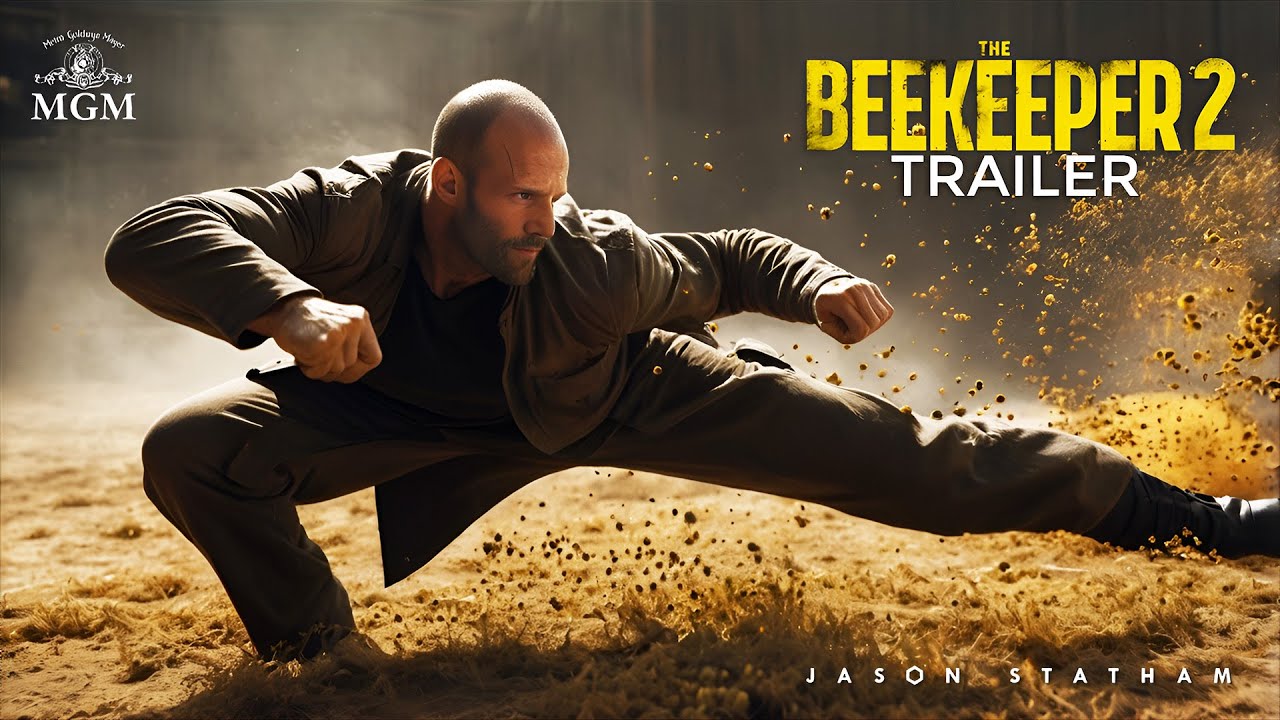
Statham returns with the same granite stillness, but the tone around him has shifted. In the trailer, he no longer feels like a man reacting to injustice; he feels like a failsafe. A shutdown protocol. The Beekeeper is no longer just a mythic enforcer lurking outside society, but a necessary counterweight to a machine that has grown too efficient for its own good.

This is an important evolution. Action franchises often confuse escalation with repetition. Here, the escalation is philosophical. The violence looks cleaner, more deliberate, and therefore more disturbing. Statham’s presence remains physical and grounded, yet the threat he responds to is abstract: algorithms, chains of command, invisible architects of control.
Idris Elba Enters the Hive
The most intriguing addition is Idris Elba, whose mere casting carries narrative weight. Elba has always excelled at playing authority figures with moral ambiguity, men who understand power not as a blunt force but as a system to be tuned. The trailer wisely withholds his role, but the tension is clear: he is not just another obstacle. He may be part of the hive itself.
The chemistry promised here is not about fists meeting faces, but about opposing philosophies. Statham represents consequence. Elba suggests control. If the first film was about burning corruption out, this one hints at something more dangerous: a world where corruption has learned to wear the mask of order.
When Order Becomes a Weapon
The tagline, When Order Becomes a Weapon, is not subtle, but it is effective. The trailer frames order as something engineered, enforced with precision and fear. Every rule is followed. Every deviation is punished. The horror comes not from lawlessness, but from obedience taken to its logical extreme.
This is where The Beekeeper 2 flirts with relevance. In an era increasingly shaped by surveillance, automation, and procedural justice, the idea of a system that never breaks, only evolves, feels uncomfortably plausible. The film seems less interested in who throws the first punch and more interested in who writes the rules.
Key Themes Suggested by the Trailer
- Order as a form of violence
- Invisible power structures and accountability
- The myth of the lone enforcer versus systemic control
- Fear enforced through precision, not chaos
Visual Language and Tone
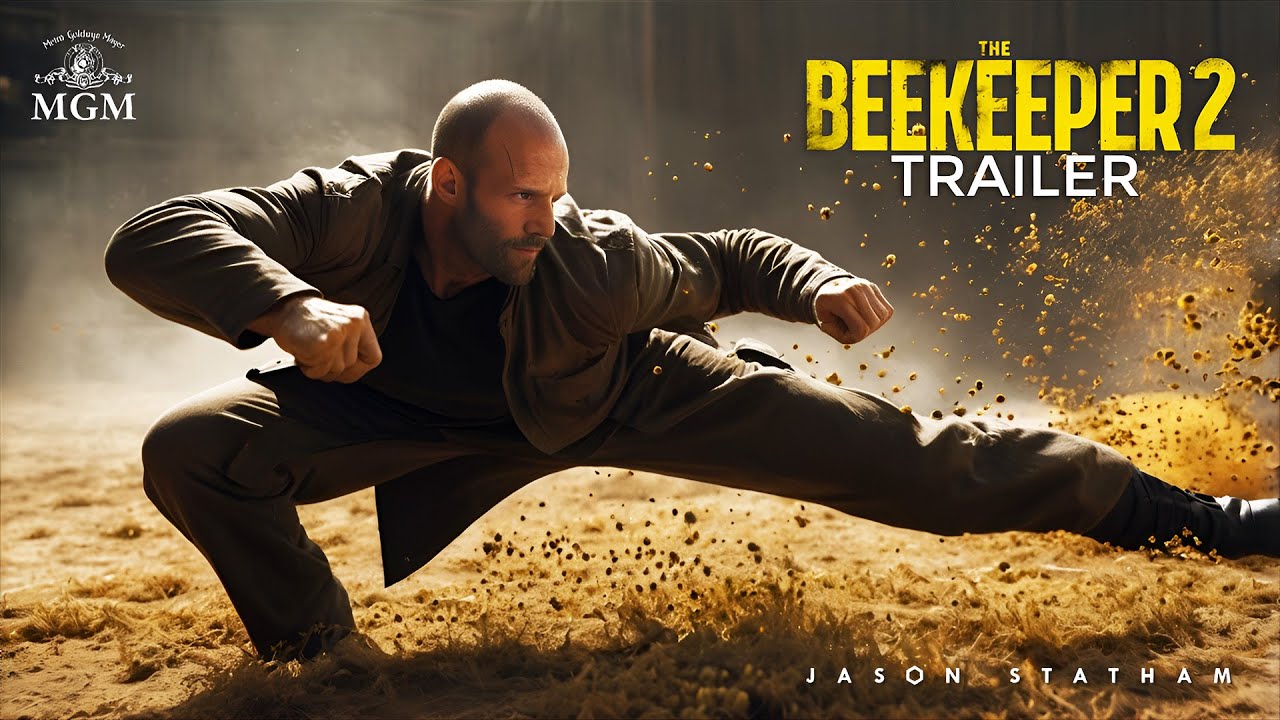
Visually, the concept trailer leans into restraint. Clean lines, controlled compositions, and a noticeable absence of excess give the imagery a clinical feel. When violence does appear, it is swift and purposeful. This aesthetic choice reinforces the central idea: this is not a messy world. It is a perfectly organized one.
The sound design and pacing support that mood. There is less bombast, more tension. Silence is used as a weapon, allowing the viewer to feel the weight of inevitability. It is a smart move, suggesting confidence rather than desperation.
What the Trailer Refuses to Explain
Perhaps the smartest decision is what the trailer does not reveal. We never see who truly controls the hive. We are not told what happens when the Beekeeper finally decides the system itself must burn. This restraint invites curiosity rather than fatigue.
By positioning the story as a confrontation with an evolved system rather than a single villain, the sequel promises stakes that go beyond personal revenge. It suggests consequences that ripple outward, affecting not just characters, but the world they inhabit.
Early Verdict
Based on this concept trailer, The Beekeeper 2 looks poised to do something rare for a modern action sequel: think. If the final film delivers on these ideas, it could transform a straightforward revenge saga into a meditation on power, compliance, and the cost of perfect order.
Jason Statham remains an unlikely but effective moral anchor, while Idris Elba’s presence hints at a richer, more cerebral conflict. This does not look like a film about breaking the rules. It looks like a film about what happens when the rules become unbreakable.