



A Legend Reborn on Open Water
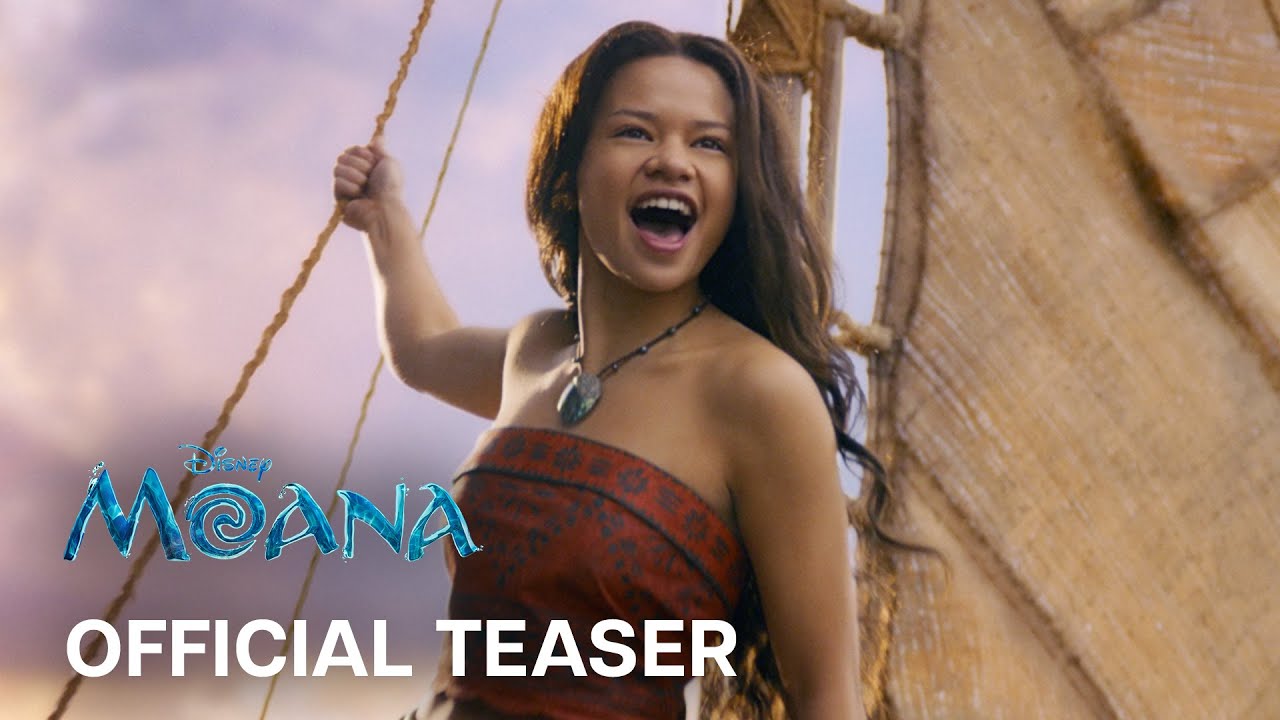
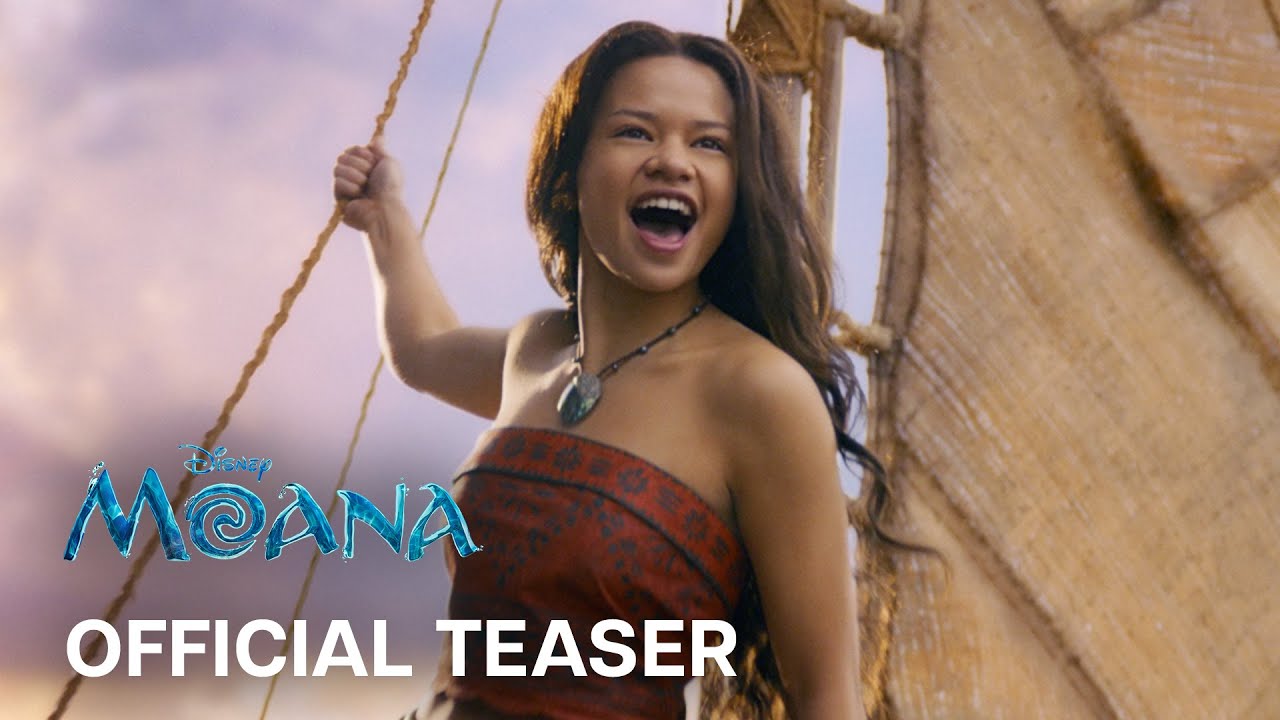
There are stories that feel less written than remembered, as if they have always existed and merely waited for the right voice to tell them again. MOANA: Live Action approaches its animated predecessor not as a property to be replicated, but as a living legend to be retold. The ocean does not simply sparkle here; it watches, listens, and occasionally judges. This is a film that understands myth as something tactile, something that should feel heavy with history and light with possibility.

A More Grounded Hero’s Journey
At its heart, this is still Moana’s story: a young wayfinder chosen by the sea, compelled to sail beyond the reef when the world begins to fracture. What changes in live action is not the destination, but the emotional terrain. The film slows down where the animated version danced. Silence replaces song in key moments, allowing doubt, fear, and resolve to settle on Moana’s face.

This Moana feels less like a symbol and more like a person. Her courage is not effortless; it is earned through hesitation and failure. The coming-of-age arc deepens, suggesting that leadership is not about answering the call loudly, but about listening carefully when the call whispers.

Identity as the True Compass
- Leadership emerges through responsibility, not bravado.
- Heritage is portrayed as guidance, not burden.
- The sea functions as both ally and conscience.
Maui: Strength Cracked by Regret
Maui, the demigod of legend, is reimagined with surprising restraint. His confidence remains, but it is frayed at the edges, revealing a figure haunted by past choices. In animation, Maui was a storm of charisma. Here, he is a weathered monument, impressive but chipped by time.
The relationship between Moana and Maui benefits from this tonal shift. Their banter gives way to something more reflective, a dialogue between inherited power and earned purpose. Maui’s arc quietly suggests that redemption is not found in restoring glory, but in accepting responsibility.
Worldbuilding That Respects the Sacred
One of the film’s most admirable qualities is its reverence for Polynesian culture. The islands, the stars, and the ocean itself are not exoticized backdrops; they are characters with memory and meaning. The visual realism brings texture to rituals and landscapes, grounding the myth in a physical world that feels inhabited rather than displayed.
Te Fiti, portrayed as a living force rather than a mere spectacle, embodies the film’s central idea: destruction and creation are often the same gesture, viewed from different distances.
Visual Storytelling Highlights
- The ocean rendered as a responsive, emotional presence.
- Storm sequences that feel dangerous rather than decorative.
- Natural lighting that emphasizes scale and solitude.
Emotion Over Spectacle
While the film delivers epic visuals, it resists the temptation to let spectacle dominate meaning. The most affecting moments are often the quietest: Moana alone beneath the stars, or Maui confronting the weight of his own legend. These scenes trust the audience to lean in rather than be overwhelmed.
The pacing may feel deliberate to viewers expecting constant momentum, but this patience allows emotional beats to land with greater resonance. The film is less concerned with dazzling the eye than with steadying the heart.
Final Verdict: A Journey Worth Taking Again
MOANA: Live Action succeeds not because it is bigger or louder than the animated original, but because it is more contemplative. It treats myth as something fragile, something that can be damaged if handled carelessly. By honoring identity, culture, and emotional truth, the film earns its place alongside the story that inspired it.
This is a voyage that understands the sea remembers, and that every journey leaves a trace. In answering the ocean’s call once more, Moana reminds us that destiny is not about discovering who we are meant to be, but about choosing to listen when the world asks us to step forward.